Explore
Press & Media
Stay up-to-date with our latest news and press releases
Trends
Allaire Conte I September 15, 2026
The 4% Mortgage Is Back. Is It Keeping New-Home Prices From Falling?
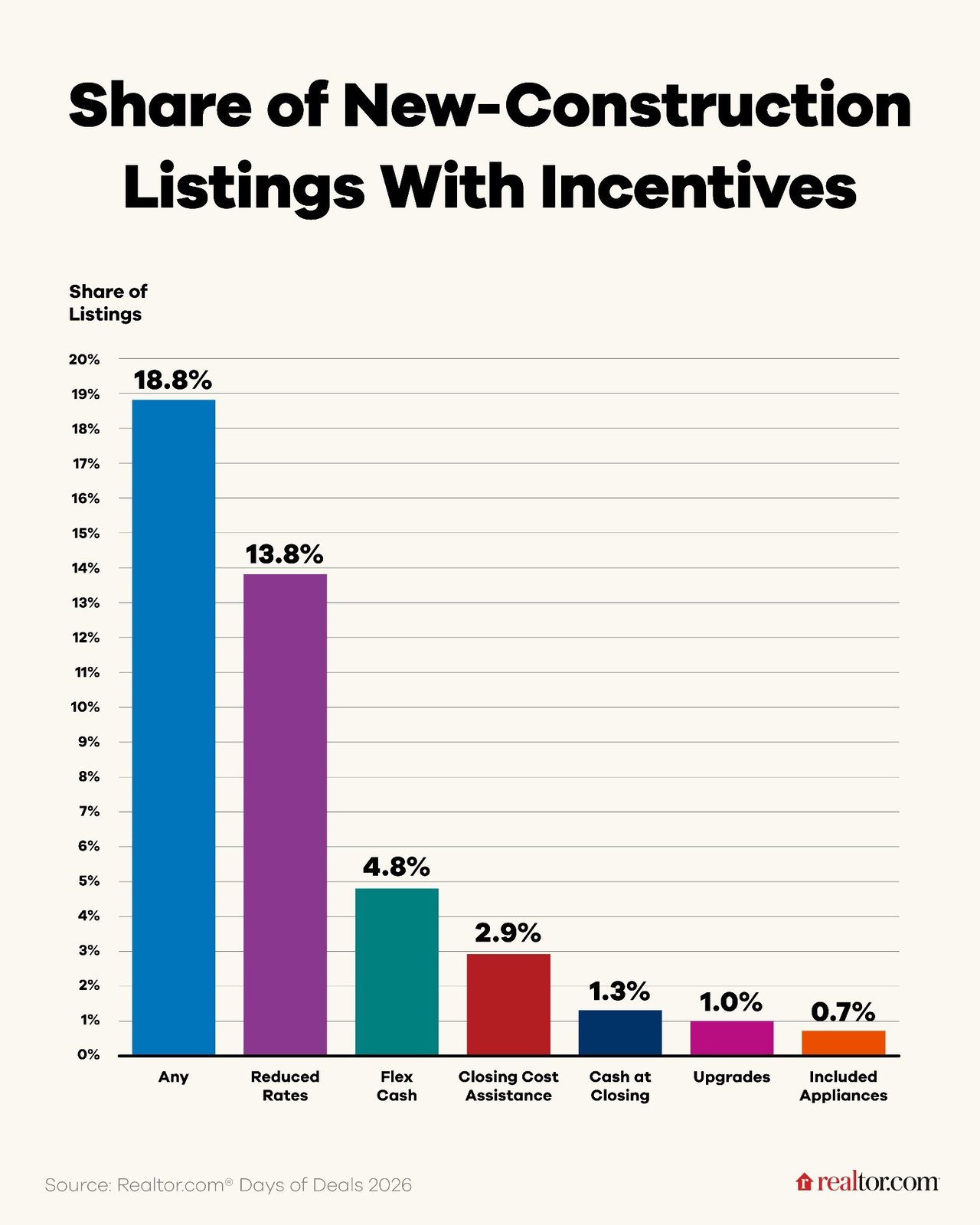
The 4% home loan is back—and for buyers, it looks like a gift. For everyone else, it may be more complicated. Nearly 1 in 7 new-construction listings advertised reduced interest in August, according to a new Realtor.com® analysis, with an average advertised rate of just 3.92%. The typical 30-year fixed mortgage rate for everyone else, meanwhile, was 6.67%. “A sub-4% mortgage rate is extremely valuable, even for just a year or two, because it significantly cuts your early interest costs and builds home equity much faster,” Jeremy Olsher, a Florida-based real estate agent explains. On a median-priced $450,000 new home with 20% down, the difference between those mortgages works out to about $614 less in principal and interest each month, or nearly $7,400 a year. It's real affordability relief in a market that's showing signs of strain from elevated borrowing costs. Median list prices fell 1.3% year over year in August, the 10th straight annual decline, while 20.4% of listings took a price cut, the highest share of 2026. And by Thursday, the market rate had climbed again to 6.76%, its highest level since June 2025. But when builders deploy the strategy at scale, it can also reduce some of the pressure that high mortgage rates would otherwise put on home prices—helping buyers with subsidized financing afford more while potentially keeping prices higher for those shopping without it. Builders are competing on the monthly payment Reduced rates aren't the only strategy that builders are using to sweeten the deal of buying new construction: Nearly 1 in 5 listings advertised an incentive of some kind in August. But rate reductions were by far the most common—appearing on 13.8% of listings, compared with just 4.8% for flex cash, the next most-common incentive. That dominance offers a clue about what builders are trying hardest to solve: the monthly payment. Just 1.4% of new homes priced between $100,000 and $200,000 advertised a reduced rate. The share climbed with price, peaking at 17.1% among $500,000 to $750,000 homes, followed by 15.8% among those priced from $750,000 to $1 million. That concentration puts the promotions squarely into move-up territory, where buyers may face a particularly difficult hurdle: giving up the cheap mortgage on the home they already own. Nearly 88% of existing-home owners with mortgages still have a rate below 6%, and the report notes a reduced builder rate may help overcome the “psychological hurdle” of giving that up. The strongest clue about how builders are using the incentive comes from the local data. In San Antonio, TX, where the median new-construction listing price is about $330,000, reduced rates cluster in the $350,000 to $500,000 range. In Denver, where the median is nearly $639,000, they cluster in the $500,000 to $1 million range. The report links that shift to competition: Builders tend to concentrate incentives on inventory facing more competitors. The offers aren’t simply following expensive homes; they are following the parts of local markets where builders have more reason to fight for a buyer. And one way to win that buyer is to compete on the mortgage payment instead of the home price. Builders are spending heavily to make the math work But creating those lower payments comes at a cost, and builders are picking up the tab. Lennar reported that sales incentives (including primarily price discounts and financing incentives) averaged $62,700 per home in fiscal 2025, or 13.8% of home-sale revenue. That was up from $42,900, or 8.8%, two years earlier. PulteGroup reported a similar increase, with incentives reaching 10.9% of gross sales price in the first quarter of 2026, up from 8% a year earlier. Its home-sale gross margin fell to 24.4% from 27.5%, with the company citing higher incentives as one factor. The question, then, is why would builders absorb that cost instead of doing what sellers elsewhere in the market are increasingly doing—cutting the price? An analysis by the American Enterprise Institute Housing Center provides one possible explanation. AEI estimated that reducing a mortgage rate by 1 percentage point costs a builder roughly 3.2% of the sale price. Producing approximately the same reduction in the buyer’s monthly payment through a price cut would require a roughly 10% reduction in price. That makes the financing subsidy expensive, but potentially much cheaper than reducing the home price enough to deliver the same monthly payment. Applying the national average advertised rate of 3.92% to median new-home prices in the 10 metros where builder incentives were most prevalent illustrates how large that difference can be. Compared with 6.67%, monthly principal and interest would be about $450 lower in San Antonio and $871 lower in Denver, assuming 20% down. And if a buyer keeps the same monthly payment instead of pocketing the savings, the lower rate supports roughly $95,000 to $184,000 more mortgage debt across those markets. That extra purchasing power is the source of both the opportunity and the tension, as Joel Berner, senior economist at Realtor.com and author of the report, explains. “If new-home prices get propped up by rate incentives, buyers paying the same monthly payment could have a larger loan balance on the discounted mortgage rate than they would have at a market mortgage rate," he says. Are reduced rates actually keeping prices higher? Recent research provides a reason to test for that possibility. In a 2026 Brookings report, University of Pennsylvania economist Joe Gyourko included interest-rate buydowns among demand-side affordability policies that can put upward pressure on prices. So, if builders are making that trade at scale, the natural place to look next is what has happened to new-home prices. Nationally, the trends are consistent with the possibility Gyourko identifies. New-construction listing prices were down just 0.3% from a year earlier in August, compared with a 2.5% decline for resale homes. Locally, however, it looks a lot messier. If rate subsidies were broadly cushioning prices, you might expect the pattern to be especially clear where builders rely most heavily on incentives. It isn’t. Among the 10 metros where builder incentives of any kind were most prevalent, new-construction prices outperformed resale prices in 4 and underperformed in 6. In Denver, new-home prices fell 1.6%, compared with a 5.7% drop for resale homes. In Durham–Chapel Hill, NC, the relationship reversed: New-home prices fell 8.5%, versus just 1.2% for resale. The sale price doesn't tell the whole story Even if the data can't prove a widespread price effect, the mortgage industry already recognizes that subsidized financing can affect the market. Freddie Mac has warned appraisers to account for financing and sales concessions when analyzing comparable sales, noting that builders may use buydowns in new subdivisions to “drive interest and support higher prices.” “I emphasize to clients and appraisers that concessions, especially rate buydowns, are not ‘free,’” says Joseph Pravettone, chief appraiser at Atlas VMS. “They are price influencers, and if we fail to analyze them properly, we risk supporting contract prices that do not reflect market value.” That risk can compound when an owner needs to sell. “If buyers unexpectedly need to move, they lose the discounted rate they just paid for while trying to sell a home purchased near record-high prices,” says Jon Brooks, housing market analyst and co-founder of Momentum Realty. “They may also compete against the builder’s new inventory, which comes with incentives they cannot offer to a resale buyer.” And if home prices fall at the same time, Berner says the larger loan balance that a lower rate can support could become a liability. “This higher loan balance, if combined with falling home prices, could lead to buyers ending up underwater—owing more on their home than it’s worth,” he says. Pravettone puts the trade-off more starkly. "Incentives solve affordability today, but they can create equity, refinance, and resale problems tomorrow,” he says. “Buyers who purchase at incentive-supported prices are exposed to risks that the market does not see until the incentives disappear.”
Trends
Allaire Conte I September 15, 2026
The 30-Day Clock That Can Start When You Inherit a Home
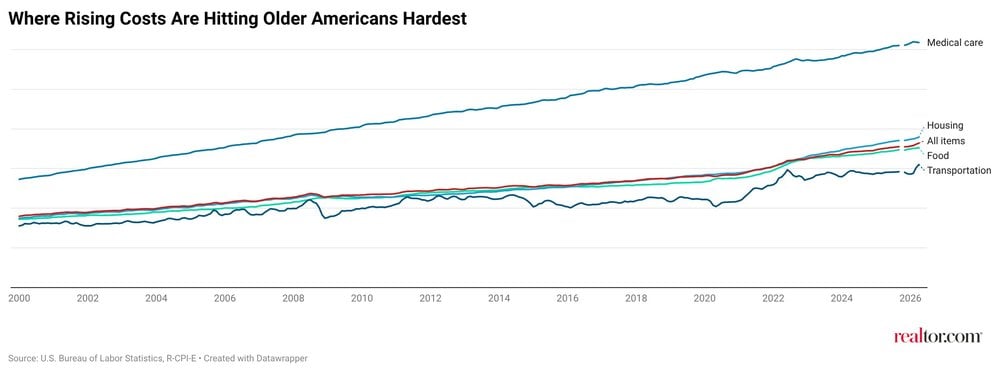
Older Americans have never had more wealth tied up in their homes—and for many, that equity could provide a vital financial cushion in retirement. Homeowners 62 and older were sitting on a record $14.92 trillion in home equity in the first quarter of 2026, according to the latest NRMLA/RiskSpan Reverse Mortgage Market Index. “The rebound in senior housing wealth is encouraging news for older homeowners and underscores the important role home equity continues to play in retirement security,” says Steve Irwin, president of the National Reverse Mortgage Lenders Association. “With senior home equity reaching another record level, many older Americans have greater financial flexibility to help address rising living expenses, healthcare costs, or other retirement needs.” But using that wealth in retirement can change what eventually reaches the next generation. Reverse mortgages allow older homeowners to tap into their home equity without selling the property, with the resulting debt generally becoming due when they sell, permanently move out, or die. For heirs, that can leave an unexpected complication: The family home may still contain substantial wealth, but it can also arrive with a loan that must be resolved within a very short window. New federal records illustrate what can happen when that process breaks down—and reveal a little-discussed complication in America's historic transfer of housing wealth. Why older homeowners turn to reverse mortgages When Congress authorized the federally insured Home Equity Conversion Mortgage program, or HECM—the most common type of reverse mortgage—it explicitly pointed to the “increasing costs of meeting health, housing, and subsistence needs at a time of reduced income.” For retirees facing that squeeze, the appeal is liquidity. HECM borrowers generally don't make monthly principal-and-interest payments while they remain in the home, and they can use the proceeds to supplement income, pay off debt, or cover expenses that allow them to age in place. Evan H. Farr, a certified elder law attorney and retirement planner in Virginia, Maryland, and Washington, DC, says reverse mortgages can offer another source of money to older homeowners with substantial home equity but limited cash. “Reverse mortgages also offer an alternative source of capital for elderly homeowners who are ‘house rich’ but ‘cash poor,’ so they will be able to afford paying for in-home caregivers if they require assistance allowing them to age in place,” he says. (Realtor.com) Nearly four decades after the first HECM was issued, those pressures are becoming all the more common. Among homeowners headed by someone 65 or older, 28% were spending more than 30% of their income on housing costs in 2024—the highest rate of any age group, according to the Joint Center for Housing Studies' 2026 State of the Nation's Housing report. There’s also evidence that reverse mortgages have been disproportionately marketed to the older homeowners most likely to need another source of cash. In 2021 and 2022, 74% of reverse-mortgage direct-mail advertising went to households earning less than $75,000, according to the Consumer Financial Protection Bureau. By comparison, 53% of older homeowner households had incomes below that level. For many of those households, however, the home may also represent their largest store of wealth. Among homeowners 62 and older in 2019, median home equity was $160,000, compared with just $84,500 in median financial assets, including savings, retirement accounts, and investments. “For high net worth families, real property is typically only one component of their total estate,” Farr says. “However, for middle-class families, the house could represent the entire estate.” What happens after the borrower dies Even so, that still doesn't make using the equity a bad financial decision for the homeowner. “Elderly homeowners should focus on addressing their retirement funding concerns before focusing on creating an inheritance for their children,” Farr says. “If using part of the equity in the house will enable an elderly person to reside safely in his/her home, receive required medical treatment/care, and maintain a reasonable standard of living, then there is no reason why they cannot make that choice regarding how they will choose to utilize their accumulated wealth.” But a reverse mortgage changes what is left behind because the amount owed generally grows as borrowers take money out and interest and fees accumulate. “Interest charged on the loan, plus mortgage insurance premiums, and the costs associated with financed fees/charges will gradually diminish the value of the home,” he explains. “Once the borrower vacates the property permanently or dies, the aforementioned costs are subtracted from the remaining value of the home, thus potentially reducing the inheritance received by heirs.” The loan also eventually has to be resolved. While a borrower may not have to pay it back while living in the home, a reverse mortgage becomes due when they permanently move out, sell the property, or die. Some qualifying surviving spouses have additional protections that may allow them to remain in the home. After the last borrower dies and the loan becomes due, the servicer sends the estate, heirs, or other person with legal title a formal notice that the loan is due. Once that notice arrives, CFPB says heirs generally have 30 days to buy, sell, or turn over the home. If they sell, the reverse mortgage is paid from the proceeds and whatever equity remains goes to the estate. But keeping the house can be harder. An heir who wants the property generally has to resolve the reverse mortgage balance. CFPB explicitly acknowledged the financial obstacle in August, stating that heirs “might not have the money” to do that and may need to obtain a mortgage of their own. That can re-create the same liquidity problem in the next generation. The parent had wealth locked in the house but needed cash. The heir may receive substantial remaining equity in that same house without having the cash—or borrowing power—needed to keep it. If the reverse mortgage is larger than the home's value, heirs generally don't have to make up the shortfall themselves. CFPB says an underwater HECM can generally be satisfied by selling the property for at least 95% of its appraised value, with mortgage insurance covering the rest. Even when heirs have additional time, they may be trying to open probate, establish who can act for the estate, get an appraisal, and secure financing simultaneously. The National Consumer Law Center warned the U.S. Department of Housing and Urban Development last year that “heirs need clear, prompt, and committal communication from servicers” to complete the probate steps needed to resolve the loan. When the loan isn't resolved New HUD records show what can happen when that process breaks down. On Sept. 1, HUD put roughly 1,500 reverse mortgage loans with about $454 million in balances up for sale. The borrowers had died, the homes were still occupied by people who weren't borrowers, and HUD said heirs “have not come forward in the time elapsed.” HUD isn't auctioning off the houses. It is selling the mortgage debts themselves to investors, who take over the loans and eventually have to resolve them. The first such sale offers a glimpse of how long some difficult cases can remain unsettled. HUD later tracked 719 occupied, postdeath loans from that pool. By March 2026, 69.7% remained unresolved in delinquent servicing, while 20.4% were listed in HUD's “foreclosure” category. Of course, those aren't the odds facing a typical family. HUD selected the loans because they were already troubled and unresolved, and the data doesn't show why individual heirs failed to resolve them or how much equity remained in those homes. Still, the cases put a concrete endpoint on a trade-off that begins much earlier, when an older homeowner decides whether to use housing wealth during retirement or preserve more of it for later. Reverse mortgages aren't suddenly booming. The Federal Housing Administration endorsed 27,995 HECMs in 2025, less than one-quarter of the 114,421 it endorsed in 2009. But hundreds of thousands of existing loans remain.
Unique Homes
Kellie Speed I September 15, 2026
Inside a Stunning $88 Million Estate With a 1,000-Bottle Wine Gallery and 9-Car Garage Overlooking Bel-Air Country Club
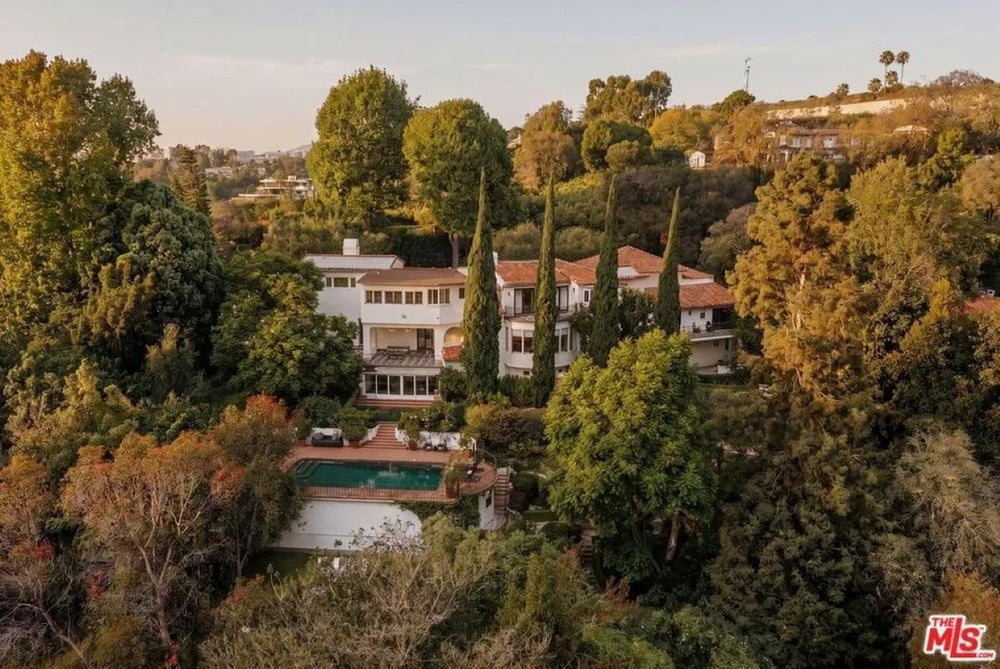
A newly constructed lavish megamansion designed by SAOTA overlooking Bel-Air Country Club has just hit the market in Los Angeles for an eye-watering $88 million, making it tee its way to the top of the week's most expensive homes list. The stunning spec mansion perched on a 1.7-acre promontory was developed by Michael Chen’s Luxford Group and is said to have "previously served as an event space, including for a Louis Vuitton design exhibit," according to The Real Deal. Nestled in a gated enclave, the property boasts uninterrupted views from downtown L.A. to the Pacific Ocean. Over-the-top amenities include two kitchens, including a showroom and catering; a 1,000-bottle wine gallery; a home theater with 16-foot screen; a hand-carved stone bar; and a lounge with 50-foot water wall. Custom-built for entertaining, a 2,500-square-foot rooftop deck has dual pergolas to soak in the skyline views. There is also a wellness pavilion with massage room, steam shower, and dry sauna. Outdoors, the resort-caliber grounds boast a lap pool flowing into an infinity-edge pool with a spa, a swim-up bar, a sunken fire pit lounge, and a kitchen with barbecue pavilion. There is also a showroom-style garage for up to nine sports cars and a private staff suite with separate access. More spectacular estates to make the week's most expensive homes list include a Tribeca condo in a Robert A.M. Stern–designed building, a three-level condo in Sunny Isles Beach, FL, and a newly constructed compound in Palm Beach with tunnel providing direct beach access to the Atlantic Ocean. 10. 10772 Chalon Rd, Los Angeles, CA Price: $32,500,000 Maison de la Reine: This historic eight-bedroom mansion was built in 1928 for Alphonzo E. Bell, the founder of Bel-Air, and later became the home of Queen Noor of Jordan. It was later owned by Hollywood producer Steven Reuther of "Dirty Dancing" fame, who added the home's cinema and editing suite. A checkerboard terrazzo foyer opens to the 10,600-square-foot residence, which has many period details, including a formal living room, a "designer's ballroom" with a Calacatta viola fireplace, a breakfast room with hand-painted Gracie wallpaper, and a primary suite with a soaking tub and dressing room "built for gowns and tuxedos." The estate's original indoor pool has been transformed into a fitness center. Other opulent amenities include a wine cellar "backed in Cristallo," a theater level with a smoked mirror bar, a massage area, and an in-ground pool. Covered terraces overlook the nearly 1-acre private lot. Christopher Soffer of The Beverly Hills Estates Inc. is the listing agent. Maison de la Reine in Los Angeles, CA (Realtor.com) 9. 5 Sailview, Newport Coast, CA Price: $32,900,000 Pelican Hill: Built in 1996, this six-bedroom estate is nestled in a guard-gated enclave and features sweeping views from the Pacific Ocean to Newport Harbor. The recently remodeled 9,219-square-foot mansion was designed to provide a seamless transition to its outdoor living area. A "dramatic" two-story entry with a fireplace opens to the ocean-facing main living areas, with sliders opening to expansive patios that soak in the stunning views. The chef's kitchen has an oversized island, custom cabinetry, and a separate dining area with water views. Also found throughout the home are an executive office, a bar, an upper-level primary suite with a fireplace and sitting area, and a lower level with additional accommodations, an entertainment area with a billiard room, a wine cellar, and a sauna. A lagoon-style pool, spa grotto, waterfall, slide, sun decks, an outdoor fireplace, and multiple areas for dining and entertaining can also be found on the nearly half-acre lot. Payman Paul Daftarian of Luxe Real Estate is the listing agent. Pelican Hill estate in Newport Coast, CA (Realtor.com) 8. 70 Vestry St Unit 9S, Manhattan, NY Price: $34,000,000 Waterfront Tribeca condo: Located high atop the Robert A.M. Stern–designed luxury building, this 4,355-square-foot residence is being offered for the first time since the building was constructed in 2018 and the sellers purchased the home for $21,412,500. Located along the Hudson River, the four-bedroom estate, occupying the southwest corner, has two private terraces offering views from the Statue of Liberty to the downtown skyline. Ideal for the art collector, the gallery entry is the perfect spot to showcase a "significant" art collection. A corner great room has oversized windows framing the river and city views. Designer details include wide-plank white oak floors, 10-foot ceilings, a showstopper kitchen with custom hand-milled oak cabinetry and Bardiglio luco marble countertops, and a corner primary retreat offering three exposures, a dressing room, a spa-inspired bathroom, and a private terrace. An $11,417 monthly association fee provides access to an 82-foot swimming pool, a regulation squash court, a fitness center, yoga and Pilates studios, a private lounge and dining suites, a billiard room, and a children's playroom. Mary Roth of Compass is the listing agent. Tribeca condo in Manhattan, NY (Realtor.com) 7. 1465 Donhill Dr, Beverly Hills, CA Price: $35,000,000 Essence: This brand-new "magnificent entertainer's showplace," developed by Ramtin Ray Nosrat and located near the Beverly Hills Hotel, is being offered fully furnished and with a collection of bespoke amenities and custom details. Highlights found throughout the sprawling 15,000-square-foot open floor plan include custom European furnishings, double-swivel iron and glass doors, a double-height foyer, a "statement" wet bar, a chef's kitchen, a formal dining room, and a "caterer's galley." Designed for grand-scale hosting, the estate has a floor-to-ceiling wine enclosure, an upstairs "family/pajama" room with access to a side patio with a fire table, and a lavish primary retreat with a parlor, separate wardrobes, a soaking tub, and two private outdoor areas. A secondary suite with a sitting room has views of the hills and mountains, as well as a private outdoor area with a fire pit. There is a roof deck with a sport court, a bar, and a fire table. The 2.1-acre hilltop lot also has a lounge with a fire pit, a gym with a sauna, an office, a home cinema "accessed through a secret door," a pool, a spa, and an outdoor kitchen with a serving ledge and a 116-inch TV. A massive garage can house eight cars. Sally Forster Jones of Compass is the listing agent. Brand-new mansion in Beverly Hills, CA (Realtor.com) 6. 122 Waverly Pl, New York, NY Price: $45,000,000 Five-level townhouse: This four-bedroom "exquisite masterpiece" was built in 1835 and thoughtfully modernized during a "meticulously designed" gut renovation. The 7,310-square-foot interior features two fifth-floor skylights, allowing natural light to flood into the center of the home. An eye-catching 30-foot stairwell chandelier "spans the entire height of the house." Other jaw-dropping amenities include a built-in wine wall, a primary sanctuary with gas fireplace, and an entertainer's kitchen with a waterfall breakfast bar and a banquette dining area, with a two-story window wall overlooking the garden terrace. There is a rooftop terrace providing views from the Freedom Tower to the Empire State Building. The property also has a heated pool, a fitness center, massage and wellness rooms, a sauna, and a cold-plunge pool. Keller Williams NYC holds the listing. Five-level townhouse in New York, NY (Realtor.com) 5. 17975 Collins Ave Unit N-SF -02, Sunny Isles Beach, FL Price: $47,500,000 The Estates at Acqualina: Villa Eterna Mare is a five-bedroom condo encompassing three levels of luxurious living. Bespoke details include floor-to-ceiling glass walls; three kitchens, including one with commercial-grade appliances and a pizza oven; a private elevator; and five gas fireplaces. Architectural details providing "timeless sophistication" include whole-home automation, motorized window treatments, and an integrated security system. Resort-style terraces offer a private pool, a summer kitchen, and a fireplace lounge. It has direct beach access and a climate-controlled four-car gallery garage. Chad Carroll of Compass is the listing agent. Condo at the Estates at Acqualina in Sunny Isles, FL (Realtor.com) 4. 12705 Chalon Rd, Los Angeles, CA Price: $49,500,000 Brentwood Country Estates: Located in a guard-gated 13-home community, this seven-bedroom Tuscan estate sits on 2.47 acres of privacy. A grand staircase flows into the dining and entertaining areas. The family room has a fireplace and wet bar, and a formal dining room connecting to the chef's kitchen with two islands via a butler's pantry is ideal for entertaining. A "breakfast rotunda" has multiple sets of French doors that open to patios designed for al fresco living and dining. The opulent primary suite has a fireplace, parlor, two large boutique-inspired closets, and a spa-style bath with floating dual-sink vanity, separate soaking tub, oversized shower, and toilet room. Other amenities include a screening room, guest suites with private terraces, a home office, and a massage room. Also found on property are a lighted tennis/pickleball court with viewing pavilion, a basketball hoop, a wellness gym, a putting green, a pool, a spa, a sundeck, and a motor court. Sally Forster Jones of Compass is the listing agent. Brentwood Country Estates in Los Angeles, CA (Realtor.com) 3. 1540 S Ocean Blvd, Palm Beach, FL Price: $74,900,000 Billionaires Row: This newly constructed eight-bedroom estate sits on an acre lot with breathtaking views overlooking the Atlantic Ocean. Three structures include a primary residence, a detached guesthouse, and a beachfront cabana. The legacy compound also has shaded loggias, a central courtyard, and an in-ground pool. A private tunnel underneath the property leads directly to the beach cabana. Plans are also in place for a beachfront plunge pool. Completed in 2025, the property has never been lived in. The property was last sold for $9,500,000 in 2022, when the sellers purchased a "tear-down" house and built this spec estate in its place. Margit Brandt of Premier Estate Properties is the listing agent. New estate in Palm Beach, FL (Realtor.com) 2. 6015 Steele Canyon Rd, Napa, CA Price: $75,000,000 Moskowite Estate & Winery: This 788-acre property with private airport and 500-acre lake is being offered for the first time since it was built in 1975. The expansive property features "development rights, natural resources, and geographic features," along with a 40-acre winery, a permitted 100,000-gallon production facility, a tasting room, and a "cave complex." Designed for entertaining, the property has a newly constructed outdoor wedding venue with a stage and bar area, a covered "crush pad," an office space, two restrooms, and undeveloped land that could be used "for a commercially entitled hotel and restaurant." The "exceptional opportunity" also has water rights and acreage that could be developed into 1-acre homesites. Damian Archbold of Golden Gate Sotheby's International Realty is the listing agent. 788-acre property in Napa, CA (Realtor.com) 1. 11005 Bellagio Pl, Los Angeles, CA Price: $88,000,000 Spec mansion: This eight-bedroom estate designed for "true resort-style living" sits on a gated promontory lot offering sweeping views from Los Angeles and Santa Monica to the Pacific Ocean and beyond. Designed for "effortless entertaining," the lavish mansion has a showroom kitchen, a separate chef's kitchen, a 1,000-bottle glass wine gallery, a Dolby Atmos cinema, a hand-carved stone bar, and a lounge centered on a dramatic 50-foot cascading water wall. Interior amenities include a four-stop elevator, a showroom-style garage, and a private staff suite. The 1.7-acre property overlooks the Bel-Air Country Club and comes with a 2,500-square-foot rooftop deck with dual pergolas, a wellness pavilion, a massage room, a steam shower, a dry sauna, a lap pool flowing into an infinity-edge pool with a spa, a sunken fire pit lounge, and a kitchen with a barbecue pavilion. Michael Chen of Christie's AKG is the listing agent. New mansion in Los Angeles, CA (Realtor.com)

Trends
Julie Gerstein I September 14, 2026
Arizona HOA Forecloses on Ailing Couple’s Home Over $977 in Unpaid Fees
A couple facing health challenges in Mesa, AZ, have lost their home to foreclosure after their homeowners association sued over an initial debt of less than $1,000. Toby Newton purchased the four-bedroom home in East Mesa for $475,000 in 2022. But in 2024, Newton lost his job and was diagnosed with diabetes. He struggled to pay his bills, including his HOA assessments, which came out to around $170 a quarter. All told, Newton owed $977 in HOA fees and interest. Newton says he knew he was falling behind and reached out to the HOA in 2024 to set up a payment plan, offering to pay $50 a month toward the principal. His offer was denied, so he countered first with an offer to pay $133.70 each month, and then with a $200-a-month payment plan. But again, he says, the HOA rejected the offer. By November 2024, the HOA, through its lawyer Augustus Shaw IV, had already initiated foreclosure proceedings. In July 2025, the foreclosure was made official in the Superior Court of Arizona. Court filings reported that Newton owed $1,311 for the missed HOA assessments, $1,042.09 in plaintiff's fees, and $3,345 in attorney's fees. The home was sold in a public auction in October 2025 to the Superstition Springs Community Master Association for $8,172. The sum of Newton's debt at that point was $6,579. Newton told The Mesa Tribune he was informed he could reclaim his home if he paid off his debt within six months. But then his longtime partner, Sherri Patten, was diagnosed with breast cancer in both breasts. Patten went on long-term disability, further squeezing their finances. "It was the type of cancer that is fast-moving,” Newton told The Tribune. The HOA payments once again went on the backburner and the six-month window closed before the couple could pay off their debt. The HOA came back to Newton and informed him that though the initial offer had expired, it was willing to extend his redemption period to May 15, 2026—but the redemption fee was now $10,484. Toby Newton and Sherrie Patten lost their home in foreclosure over $977 in unpaid HOA dues. (Gofundme) Newton filed a request for an emergency stay on May 14. He's now waiting for the judge to issue the order. In the meantime, the couple launched a GoFundMe campaign. "We are holding on to hope that we may still have a chance to buy our home back," Patten wrote. "We are asking for support to help us with the urgent costs of this fight and with our immediate needs during this incredibly difficult time." Patten continues to undergo cancer treatment. "I am doing well today, but the emotional and financial toll has been overwhelming," she said. In April 2025, Arizona passed SB 1494, which would have made Newton's Superstition Springs foreclosure case null and void. The bill "increases the threshold for foreclosure from one year of delinquency to eighteen months, and raises the minimum dollar amount that triggers foreclosure from $1,200 to $10,000." It also requires an HOA to provide written notice to the delinquent homeowner at least 30 days before turning the account over to collections. Realtor.com® has reached out to Shaw, Patten, and Newton for comment.