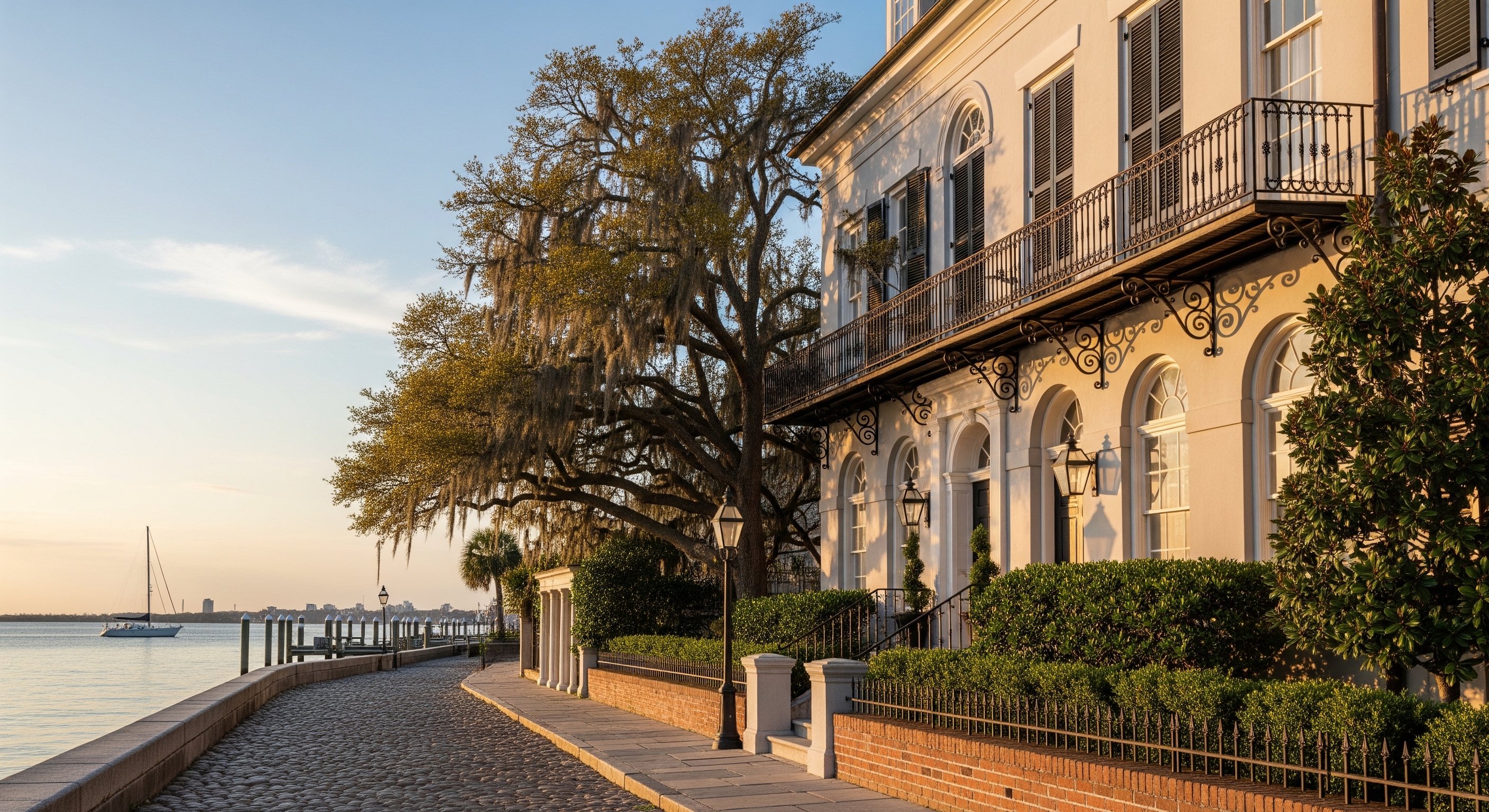
What does a typical day feel like when you step out your front door on the Charleston Peninsula? You notice the breeze off the harbor, the brick and stucco facades, and the easy rhythm of a city made for walking. If you are weighing a move, you want more than pretty streets. You want to know how life works here, from morning coffee to evening plans, plus the tradeoffs that come with historic urban living. This guide walks you through a full day downtown and the practical details you should consider before you buy. Let’s dive in.
Morning on the Peninsula
Start early with a quiet walk through the Historic District or South of Broad. Streets are narrow, shaded, and surprisingly calm in the morning. You pass Charleston single houses, small courtyards, and the occasional carriage house. Many residents begin the day on foot, grabbing coffee on or near King Street before work or a walk along the water.
If you prefer a quick market stop, central neighborhoods make it simple. In-season, the Marion Square farmers market brings local produce and prepared foods that turn errands into a quick community ritual. Living here, small errands often fit into your morning, not your weekend.
Coffee, errands, and short walks
Walkability is one of the peninsula’s defining traits. Sidewalks, short blocks, and a concentration of shops make daily life feel convenient. In Cannonborough‑Elliotborough and Harleston Village, you find neighborhood cafes, small retailers, and services that are a few blocks from residential streets. Near the College of Charleston and the medical district, weekday rhythms are busy yet manageable on foot.
For larger errands, you will still find multiple options on the peninsula. Pharmacies, dry cleaners, and specialty shops are dotted around King Street and nearby corridors. Plan for occasional trips off-peninsula for big-box items, but many residents are surprised by how little they need to drive during the week.
Midday culture and parks
Arts and culture are never far away. The Gibbes Museum of Art, the historic Dock Street Theatre, and an active gallery scene create easy lunch-hour or weekend outings. Major events like Spoleto Festival USA and Piccolo Spoleto bring national attention and packed calendars. Festivals add energy, but they also bring crowds, which is part of the downtown experience.
For fresh air, Waterfront Park offers harbor views and the Pineapple Fountain. The Battery and White Point Garden provide a classic promenade along the seawall. Colonial Lake and Marion Square are favored for casual walks and short workouts. Beaches are a straightforward drive, typically 20 to 40 minutes depending on traffic and time of day.
Lunch along the water
Many days, you can plan lunch near the harbor or on King Street. Lower King leans historic and boutique, while Upper King has become a hub for restaurants, bars, and creative offices. The peninsula’s dining scene is dense and chef-driven, with Lowcountry seafood and southern cuisine well represented. If you love trying new places, you will not run out of options.
Afternoon movement and mobility
Getting around is easiest when you mix modes. Walking and biking handle most short trips. You also have ride-share, scooters and micromobility options, and CARTA bus routes serving the peninsula. By car, the Arthur Ravenel Jr. Bridge connects you to Mount Pleasant, and I‑26 provides regional access.
Parking is a practical tradeoff. Older blocks have limited on-street parking. Residents often rely on private spaces, assigned building parking, paid garages, or residential permits. Peak hours, weekend nightlife on Upper King, and special events can tighten parking availability and lengthen drive times. If you prioritize a private spot, keep this high on your purchase checklist.
Evening plans and neighborhood feel
Evenings can be as quiet or as lively as you want. Upper King offers active restaurants and nightlife. Move a few blocks into the residential grid, and many streets feel calm and neighborly. South of Broad and the French Quarter are known for their historic ambiance and waterfront promenades. Cannonborough‑Elliotborough and Harleston Village blend residential streets with local dining, giving you a short walk home after dinner.
Tourism shapes the rhythm of the peninsula in a positive and practical sense. You benefit from year-round dining, galleries, and events, with seasonal spikes in foot traffic and weekend noise near entertainment corridors. Choosing the right block for your lifestyle helps balance convenience with quiet.
Homes and architecture
Housing on the peninsula blends history with thoughtful infill. You will find:
- Historic single-family homes, including the classic Charleston single house.
- Rowhouses, carriage houses, and cottages tucked behind main structures.
- Converted warehouses and lofts for an urban feel.
- Contemporary townhomes and limited pockets of mid and high-rise condos.
Many interiors reflect historic proportions, with narrower lots and vertical layouts. Renovations range from careful preservation to modern updates. If you appreciate architectural detail and a strong sense of place, the peninsula delivers it in daily life.
Costs and ownership expectations
The peninsula commands a premium relative to the wider Charleston area. You should plan for higher prices per square foot, smaller lots, and vertical living compared with suburban choices. Buyer profiles range from long-time locals and in-town professionals to empty-nesters, second-home owners, and investors targeting longer-term rentals in permitted areas.
Ownership costs can vary by property type. Older homes may include regular maintenance for masonry, historic windows, and structural components. Condos often carry HOA fees that cover common areas and reserves. Flood and wind insurance are key considerations in this coastal setting, and you should obtain quotes as part of due diligence.
Renovation and preservation rules
A large portion of the peninsula falls under historic preservation controls. Exterior changes, additions, and new construction in the Historic District typically require design review, which can affect timeline, materials, and budget. Interior work is usually less restricted, but older systems and historic best practices add complexity.
If you plan a major rehabilitation, you may be able to explore historic tax credits or incentives when criteria are met. These programs can offset some costs for qualifying projects. The key is to align your scope with local rules early in your process.
Short-term rentals and zoning
Short-term rentals exist on the peninsula, but rules are specific. The City of Charleston uses permitting, licensing, and zoning to define where and how STRs operate. Do not assume a property can be used for short-term rental. Verify current ordinances and registration requirements before underwriting any potential income.
Flood risk and resilience
The peninsula is low-lying, and parts of it experience tidal flooding during king tides or heavy storms. Many areas fall within FEMA flood zones. As a practical step, review flood maps, request the property’s elevation certificate, and obtain quotes for both National Flood Insurance Program and private flood coverage. The city and regional partners continue to invest in stormwater upgrades, pump stations, and long-term adaptation planning, which informs neighborhood infrastructure over time.
When evaluating a property, think beyond today’s conditions. Consider long-term maintenance, potential assessments in multifamily buildings tied to resilience projects, and the cost of flood mitigation improvements.
Safety, schools, and services
Downtown has typical urban safety considerations, especially in busy tourist areas and at night. Review local police crime maps and talk to neighbors for location-specific context.
Public schools are operated by Charleston County School District, and there are private and parochial options. Families should verify school assignment policies and programs that fit their needs. Healthcare access is a strong advantage, with the Medical University of South Carolina providing central hospital and medical services on the peninsula.
Daily living is simple to manage. Groceries, pharmacies, and routine services are available in multiple small and mid-sized options. Specialty shopping concentrates along King Street and nearby districts.
Who the Peninsula fits
You will likely love the peninsula if you value walkability, history, arts, and dining within a few blocks of home. The setting suits buyers who can trade a large yard for a patio, piazza, or nearby park, and who prefer experiences over square footage. If you need multiple private parking spaces, a large lot, or a very quiet setting every night, a suburban neighborhood may better match your priorities.
Buyer checklist to bring on tours
- Confirm flood zone and obtain the elevation certificate.
- Request insurance quotes for flood and wind coverage.
- Verify historic overlay, design review, and permit needs for planned work.
- Confirm parking arrangements, including permits, assigned spaces, or garage access.
- Review HOA or condo rules on rentals, pets, and maintenance.
- Ask for building reserve studies and major repair histories in multifamily properties.
- Check short-term rental eligibility and licensing, if relevant to your plan.
How we can help
Buying on the peninsula is equal parts lifestyle and logistics. You gain extraordinary daily convenience and historic character, with clear considerations around flood, parking, and preservation. A tailored search and careful due diligence help you enjoy the best of downtown living with fewer surprises.
If you are exploring the Charleston Peninsula, our boutique, concierge approach keeps the process clear and seamless. For private guidance, curated tours, and property-specific analysis, connect with Coastal Luxury Homes Real Estate.
FAQs
How walkable is the Charleston Peninsula for daily errands?
- Very walkable in the core, with many restaurants, parks, and services reachable by short walks from central neighborhoods.
How long does it take to reach beaches from downtown?
- Typically 20 to 40 minutes by car, depending on time of day and bridge traffic.
What types of homes are common on the Charleston Peninsula?
- Historic single houses, rowhouses, carriage houses, converted lofts, townhomes, and pockets of mid and high-rise condos.
Do I need flood insurance for a home on the peninsula?
- Possibly, since many properties are in mapped flood risk areas, and quotes are recommended even outside designated zones.
How do historic rules affect renovations in downtown Charleston?
- Exterior changes in the Historic District often require design review that can influence timeline, materials, and costs.
What is parking like for residents in older downtown blocks?
- Limited, with many homes depending on private spaces, assigned parking, garages, or residential permits.
Are short-term rentals allowed on the Charleston Peninsula?
- They are regulated with permitting, licensing, and zoning, so verify current rules before assuming rental income.
How does tourism impact daily life in downtown Charleston?
- Tourism adds dining and cultural benefits, with seasonal crowds, weekend noise in nightlife areas, and event-related traffic.