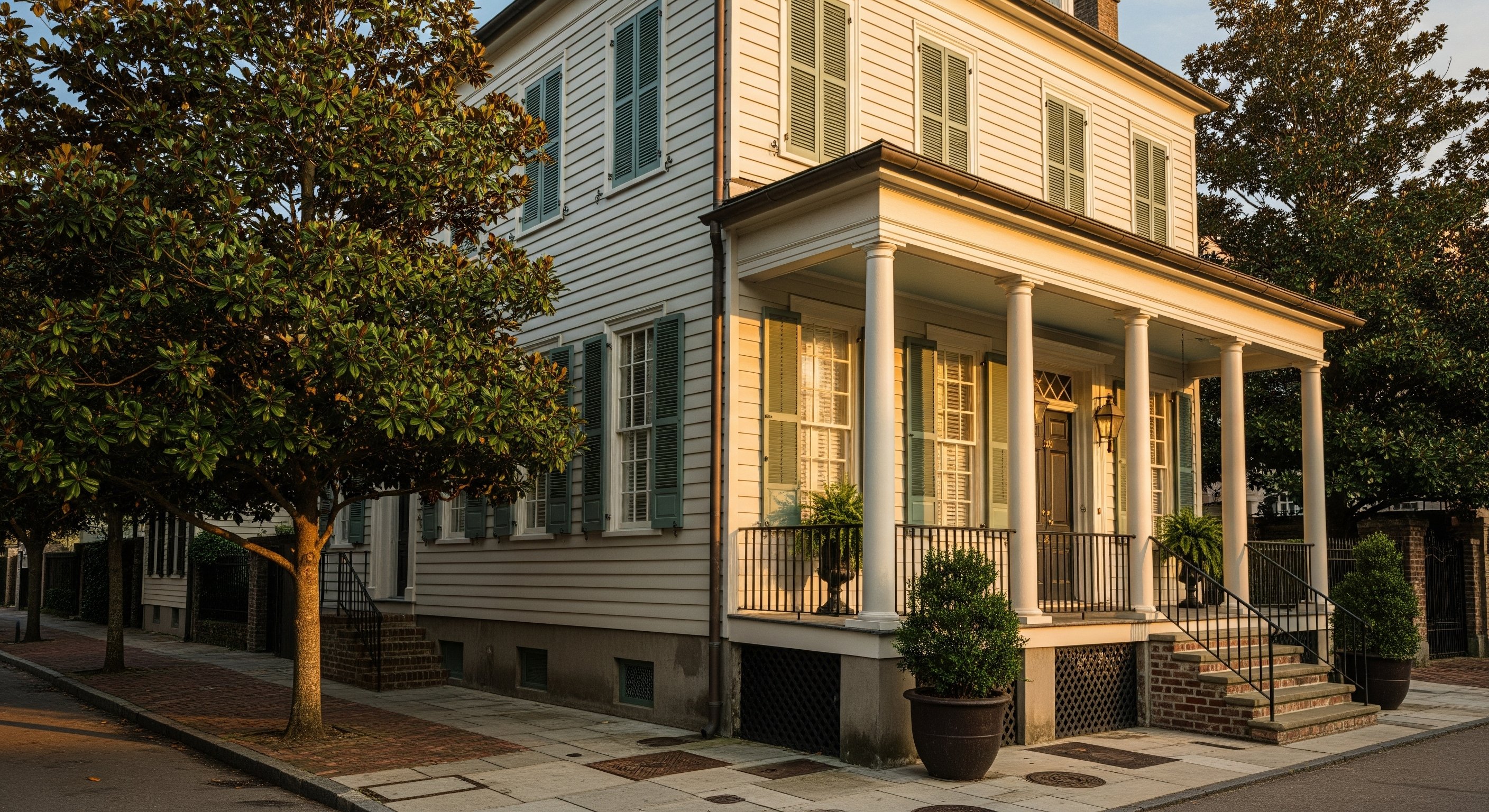
Ever noticed those tall, narrow homes downtown with long side porches that seem to catch every breeze? If you have walked the Charleston Peninsula, you have seen the Charleston single house in action. You might be drawn to the charm, but you also want to understand how this design affects comfort, maintenance, permitting, and resale. In this guide, you will learn what defines a single house, why the plan works so well in our climate, and what to consider if you plan to buy or sell one on the Peninsula. Let’s dive in.
Defining a Charleston single house
A Charleston single house is organized one room wide, with the long side of the house perpendicular to the street. The narrow end faces the street, while the living side with porches runs along the lot line. This solves for narrow in-town lots and makes the most of airflow and light.
Lot and orientation
Single houses sit on deep, narrow lots. The long axis runs away from the street to capture breezes across the length of the home. The arrangement maximizes usable outdoor space along the side yard and creates a private-feeling interior despite close neighbors.
Piazzas and the piazza door
Stacked side porches, called piazzas, line the long elevation and often face south, southeast, or west to catch prevailing breezes and control sun. A street-side “piazza door” leads into a short passage and then onto the porch, which functions as both circulation and living space. The piazza acts like a buffer between the street and the main rooms.
Interior layout
Inside, rooms are arranged one room deep, opening to the piazza and to each other for cross-ventilation. You often find a narrow passage and stair either on the piazza or just inside. Some homes include breezeways or light wells to bring daylight and fresh air to interior rooms.
Materials and period details
Historic single houses use wood clapboard or brick, raised foundations, tall windows and doors, shutters, and classical or vernacular trim. External stairs off the piazza are common and can provide separate access to upper floors.
Orientation and airflow
The plan is built for Charleston’s hot, humid climate. Cross-ventilation through multiple openings along the piazza-side helps cool the home when doors and windows align. Tall ceilings and stacked porches assist the stack effect so hot air rises and moves out at upper levels.
Piazzas provide shade that reduces solar heat gain in summer while allowing comfortable light in winter depending on orientation. The net effect is a home that often feels cooler and more comfortable, though modern HVAC is still important for humidity control.
Privacy and social space
Single houses create a layered path from public to private: street to entry passage, then piazza, then main rooms. That sequence allows you to enjoy social contact with neighbors from the porch while maintaining visual screening from the street. Exterior stairs can allow access to upper floors without passing through lower-level private rooms, which can be helpful for guests or multi-unit conversions.
Because side porches face neighboring properties at close range, you manage privacy through shutters, blinds, landscaping, and thoughtful furniture placement. The result is a home that feels connected yet composed.
Daylight and daily living
With one-room depth and many exterior openings, primary rooms receive abundant daylight. The narrow plan can require creativity for modern open kitchens or larger bathrooms. Many homes have been updated successfully, but structural changes or stair relocations need careful planning to protect historic fabric.
Small side yards and tight lots can limit additions, parking, and yard amenities. That is why stacked piazzas and, where allowed, roof decks are popular for outdoor living.
Risks and resilience
Raised foundations and ventilated crawlspaces can help with moisture and certain flood concerns. Even so, the Charleston Peninsula includes FEMA flood zones, and tidal flooding or storm surge is a consideration. Persistent humidity can lead to rot and insect activity, so routine maintenance, ventilation, and pest management are essential.
What it means for value
Buyers often pay premiums for authenticity. Intact stacked piazzas, original doors and windows, interior millwork, and a well-preserved plan can all increase desirability. At the same time, deferred maintenance, structural issues, flood history, and limited parking can temper value. On balance, well-maintained single houses on desirable Peninsula blocks are among the most sought-after properties for their architecture, walkability, and sense of place.
Inspections to prioritize
When you evaluate a single house, prioritize experienced inspectors familiar with historic Charleston homes and review the following:
- Structural systems: look for sagging piazza floors, settled foundations or piers, rot at porch joists and sill plates, and cracked masonry. Porch repairs can be significant.
- Moisture and rot: check under piazzas, at porch-to-house connections, around window sills, and in crawlspaces or basements.
- Insects: termite and carpenter ant inspections and a documented treatment history matter for valuation.
- Roofing and flashing: pay special attention where the piazza roof meets the main roof and around chimneys.
- Historic materials: original windows, doors, and plaster are valuable, but repairs require specialized methods. Inappropriate replacements can hurt value and may not be allowed.
- Mechanical systems: narrow plans can constrain ductwork and upgrades. Verify sizing and routing for HVAC, plumbing, and electrical.
- Flood risk and insurance: review elevation certificates, FEMA flood zone status, prior claims, and any mitigation such as flood vents or elevated utilities.
Permits and BAR basics
On the Charleston Peninsula, exterior changes visible from public ways typically require approval from the City’s Board of Architectural Review. You will need a Certificate of Appropriateness for many exterior alterations, and building permits for structural work or additions. Budget additional time for the review process. Expect to use historically appropriate materials and details for sympathetic restorations.
Sellers should disclose any historic easements, prior BAR approvals, and recorded covenants. Buyers should plan for the cost and timeline of BAR review in their renovation scope. For major work, expect to involve structural engineers, preservation consultants, and experienced contractors.
Parking and access realities
Deep, narrow lots and historic street layouts can limit onsite parking options. Many owners rely on on-street parking or alley access where available. Multi-story living and stairs are integral to the single-house form, so consider mobility needs. Elevators are not typical and can be difficult to add within the narrow footprint.
Smart resale strategies
Well-documented, BAR-approved restorations and organized maintenance records build buyer confidence. Authentic exterior features such as stacked piazzas, original trim, and mature trees help marketability. Address visible porch or foundation issues before listing to avoid price concessions. Be upfront about flood history and insurance costs, since those can be decisive for buyers.
Buyer and seller checklists
Buyers: immediate steps
- Request full disclosures, including flood history, BAR approvals, permits, and maintenance records.
- Hire inspectors with Charleston historic home experience, plus pest and moisture specialists.
- Verify FEMA flood zone status and elevation certificates. Consult an insurance professional on premiums and mitigation.
- Budget for BAR review timelines and historic-appropriate materials.
Sellers: immediate steps
- Compile maintenance logs, permits, and BAR Certificates of Appropriateness.
- Consider pre-listing repairs for piazza structure, roof flashing, and visible rot.
- If renovations are planned pre-sale, consult a preservation specialist to prioritize high-impact, historically sensitive work.
- Prepare documentation on flood mitigation steps and insurance history for buyer confidence.
Local resources to know
For deeper guidance, look to the Preservation Society of Charleston, Historic Charleston Foundation, the City of Charleston Board of Architectural Review, Charleston County property records and GIS, the South Carolina State Historic Preservation Office, and FEMA flood resources. Local preservation-minded contractors, structural engineers, and inspectors with Peninsula experience can be invaluable.
If you are weighing a single house purchase or preparing to sell, we can help you navigate the architecture, inspections, and approvals with a clear plan. For discreet, concierge guidance tailored to Charleston’s historic core, connect with Coastal Luxury Homes Real Estate.
FAQs
What is a Charleston single house on the Peninsula?
- It is a one-room-wide home with the narrow end to the street and stacked side piazzas, designed for airflow, privacy, and efficient use of deep, narrow lots.
How do piazzas affect resale value in Charleston?
- Well-maintained, intact piazzas add usable outdoor living and historic character that typically support higher demand and pricing.
Do BAR rules limit exterior renovations downtown?
- Yes, exterior changes visible from public ways usually require Board of Architectural Review approval and historically appropriate materials.
Are Charleston single houses prone to flooding?
- Many Peninsula properties face tidal and storm surge risk; raised foundations help, but you should verify FEMA flood zone status, elevation, and insurance needs.
What inspections matter most for a single house?
- Focus on porch structure, foundations, roof-to-porch flashing, moisture and rot, insect activity, and the feasibility of mechanical upgrades in the narrow plan.
Can a single house be adapted for modern living?
- Yes, but changes like open kitchens or added baths require careful planning, potential structural work, and coordination with preservation and permitting requirements.