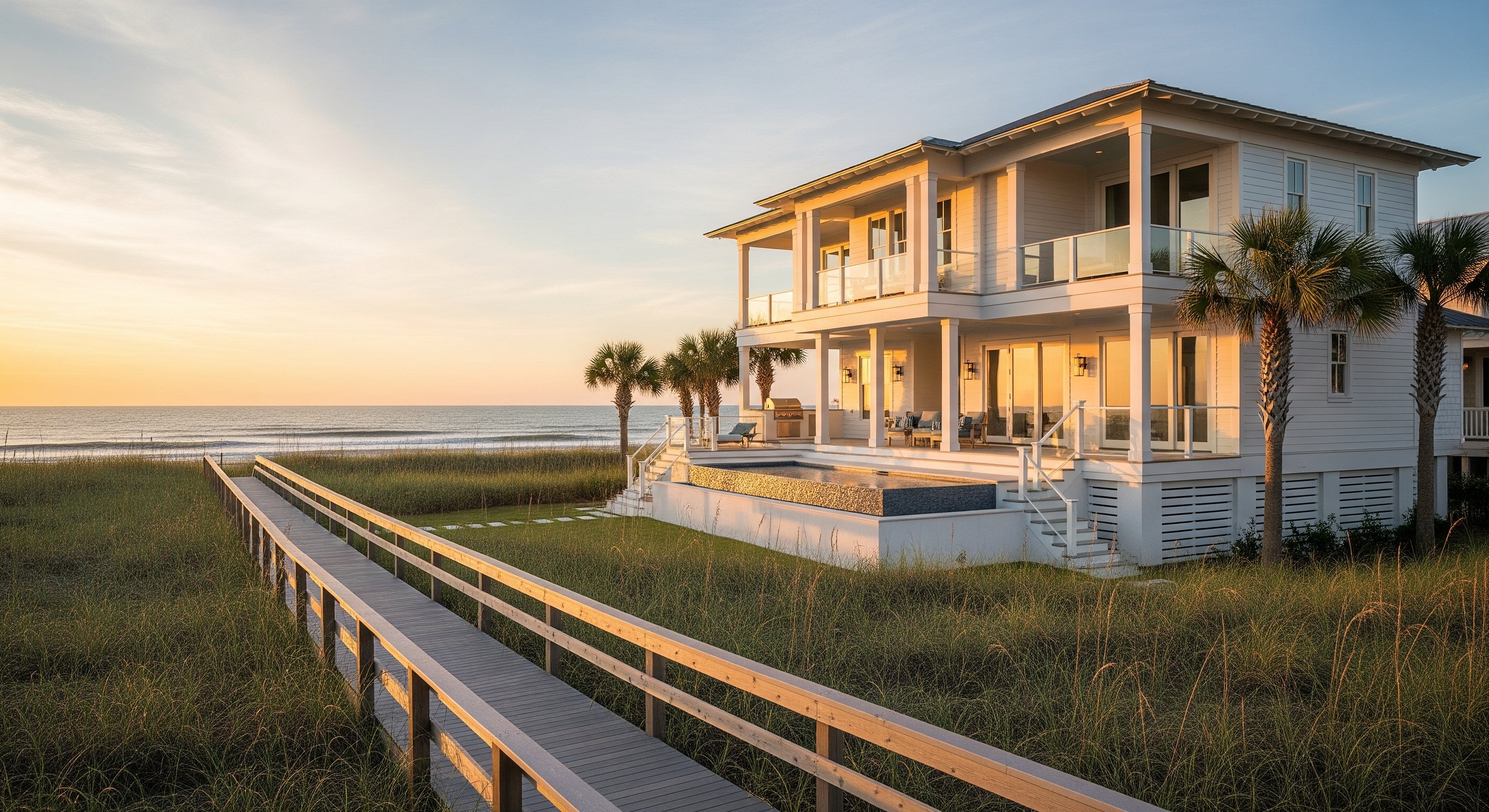
Buying on Isle of Palms is about more than the view. Coastal homes carry unique, ongoing costs that can surprise even seasoned buyers. If you understand the line items that matter most on a barrier island, you can build a realistic budget and make confident decisions.
This guide breaks down the major ownership costs on Isle of Palms, how they differ for primary and second homes, and what to verify during due diligence. You will also find practical steps to price insurance, plan reserves, and prepare for storm seasons. Let’s dive in.
What drives ownership cost on Isle of Palms
Isle of Palms is a barrier-island community with wind, salt, and flood exposure. That reality shapes your budget. You should plan for property taxes, homeowners and flood insurance, HOA or regime dues, utilities, landscaping and dune care, pool service, pest and termite contracts, property management, and an annual reserve for repairs.
Primary and second homes often budget differently. Second homes and short-term rentals may carry higher insurance costs due to vacancy or guest use, along with home-watch or property management fees. Primary homes tend to have steadier utilities, while second homes need remote monitoring and periodic check-ins.
Insurance on a barrier island
Insurance is often your largest recurring cost after taxes. The structure, location, elevation, and how you use the home all affect premiums.
Homeowners and wind coverage
You will need a standard homeowners policy, and wind or hurricane coverage may be included or written separately. Expect hurricane or named-storm deductibles that are percentage-based, commonly 1 to 5 percent in coastal states. Always convert that percentage to dollars so you know the cash you may need after a storm. For example, a 2 percent named-storm deductible on a $1.5 million dwelling limit equals a $30,000 out-of-pocket exposure. Treat that figure as part of your annual risk budget.
Flood insurance: NFIP and private options
Many Isle of Palms properties sit in FEMA Special Flood Hazard Areas. If you have a mortgage and the home is in a mapped high-risk zone, flood insurance is typically required. You can price coverage through the National Flood Insurance Program or private flood carriers. An elevation certificate and recent survey are critical to accurate quotes. Elevated construction and mitigation features can improve pricing, especially with private insurers.
Factors that move premiums
Premiums reflect the home’s elevation relative to Base Flood Elevation, construction type, roof age and attachment, impact-rated openings, and storm-hardening. Prior claims history, occupancy pattern, and insurer appetite for coastal risk all matter. Short-term rentals usually need specific endorsements and higher liability, and some carriers treat vacancy as higher risk.
Due diligence steps for insurance
- Request written quotes early, itemized by homeowners, wind or named-storm, and flood.
- Ask the seller for prior declarations pages and the property’s loss history if available.
- Obtain the elevation certificate, survey, and any roof certifications.
- Price both NFIP and private flood options to compare coverage and limits.
- Model the named-storm deductible in dollars and set aside funds to cover it.
Taxes and assessments
Plan for Charleston County property taxes and any municipal assessments. Primary-residence tax exemptions may not apply to second homes. Rates and exemptions can change, so verify the current millage and billing method with the county before you close.
Beachfront communities sometimes face special assessments for public improvements, beach renourishment, or storm-related infrastructure. Ask specifically about recent or pending assessments so you can budget reserves.
HOA or regime dues and what to check
Condominium or regime-style communities may include exterior maintenance, common-area insurance, reserves, landscaping, trash, shared amenities, and dune care within monthly dues. Single-family communities vary, with some charging modest fees for gated access or common areas.
When reviewing an HOA or regime, request the operating budget, reserve study, master insurance policy, CC&Rs, meeting minutes, and special assessment history for the last 3 to 5 years. Confirm what the master policy covers versus owner responsibility. If you plan to rent, review restrictions, minimum stays, and permitting rules. Also ask about pending projects that could increase dues.
Utilities and recurring services
Isle of Palms homes can have higher seasonal utilities due to air conditioning, dehumidification, and pools. Electricity usage often spikes in summer and during high-humidity periods. Water and sewer bills rise with irrigation, outdoor showers, and pool top-offs. Internet quality matters for remote work and guest stays.
If you own a second home, plan for baseline utility costs even when you are away. Remote monitoring like leak sensors and smart thermostats can help prevent large losses and may support insurance requirements.
For recurring services, build a realistic annual line item using local quotes. Illustrative estimates to start your planning include:
- Landscaping: under $200 per month for small yards, $500+ per month for larger or high-detail properties.
- Pool service: roughly $80 to $200 per month for routine care, higher for heated pools or complex systems.
- Pest control and termite: a few hundred dollars to $1,000+ per year depending on property size and treatment type.
- Home-watch and security checks: $50 to $300 or more per visit depending on scope.
Actual costs vary by property size, features, and service level. Confirm current providers and rates during due diligence.
Maintenance, reserves, and resilience
Salt, wind, and humidity accelerate exterior wear. Roofs, fasteners, windows and doors, decks, pilings, siding, HVAC, pool equipment, and exterior metals can require more frequent inspection and replacement on the coast. Plan a meaningful capital reserve. Many affluent owners set aside 1 to 3 percent of property value annually for long-term repairs, adjusted for age, construction quality, and risk tolerance.
Storm readiness is its own budget line. Consider costs for shutters or boarding, generator fuel or maintenance, pre-storm labor, and post-storm debris removal. Mitigation upgrades like impact-rated openings, enhanced roof attachment, elevated mechanicals, flood vents, and whole-home dehumidification can reduce losses over time. Ask insurers for quotes before and after planned upgrades to quantify potential savings.
If you plan to rent the home
Short-term vacation rentals require a different operating plan. Professional management often ranges from 20 to 35 percent of gross rental revenue, plus cleaning and per-stay fees. Utilities are typically higher due to guest use. Expect booking platform fees, linen and amenity replacement, and enhanced liability coverage. Local registration, permitting, and lodging taxes may apply, so confirm current rules with the city before you list.
Long-term rental management fees commonly run 8 to 12 percent of monthly rent, not including maintenance. In all cases, verify what services are included, such as guest communication, dynamic pricing, maintenance coordination, and emergency response.
Build your annual budget
A clear structure helps you avoid surprises and compare properties apples to apples.
- Fixed recurring: property taxes, HOA or regime dues, homeowners insurance, flood insurance, base utilities, internet and phone.
- Variable annual: landscaping, pool service, pest and termite, dehumidification and HVAC servicing, home-watch or security checks, property management if renting.
- Reserves and contingencies: capital reserves for roof, exterior, decks, pilings, and mechanicals, plus a storm-response fund sized to your named-storm deductible and potential cleanup costs.
- Rentals: if applicable, add vacancy buffers, guest-related wear, platform fees, and lodging tax remittances.
Scenario snapshots
- Primary residence: steadier utilities and fewer management costs. Plan for full homeowners plus wind component and flood coverage, routine exterior maintenance, and a strong capital reserve.
- Second home with short-term rentals: higher insurance due to rental endorsements, management at 20 to 35 percent of revenue, increased turnover and cleaning, and lodging taxes. Utilities and consumables trend higher.
- Second home with occasional use: possible vacancy endorsements or higher premiums, home-watch visits, and active humidity control. Utilities may be lower overall but require a monitored baseline.
Due diligence checklist
Gather these items early in your inspection period so you can price each line item accurately:
- Insurance: at least three quotes, broken out by homeowners, wind or named-storm, and flood. Include both NFIP and private flood options.
- Property history: seller’s prior insurance declarations pages and any available loss history.
- Elevation and structure: elevation certificate, recent survey, roof certifications, and any structural or moisture reports.
- HOA or regime: current budget, reserve study, master insurance policy, CC&Rs, meeting minutes, and special assessment history.
- Utilities: 12 to 24 months of electric, water, sewer, and trash bills.
- Services: written quotes from local pool, landscaping, pest and termite, and home-watch providers.
- Rentals: local short-term rental rules, registration or permitting steps, and lodging tax requirements if you plan to rent.
- Taxes: Charleston County assessor record and current millage information to estimate annual taxes for your ownership profile.
How we help you plan with confidence
Owning on Isle of Palms should feel rewarding, not uncertain. With a clear line-by-line budget, you can choose the right property and protect your time and capital. If you would like help gathering quotes, reviewing HOA and insurance documents, or modeling scenarios, our team is ready to assist.
For discreet, concierge guidance tailored to your goals, connect with the local experts at Coastal Luxury Homes Real Estate. Schedule a Private Consultation and move forward with clarity.
FAQs
What affects flood insurance costs on Isle of Palms?
- Premiums depend on FEMA flood zone, elevation certificate details, construction type, mitigation features, coverage level, and whether private flood offers better terms than NFIP.
Do I need a separate wind or hurricane policy on the island?
- Some carriers bundle wind with homeowners coverage, while others use separate endorsements or policies with percentage-based named-storm deductibles, so compare structures across multiple quotes.
How do I estimate my hurricane deductible in dollars?
- Multiply the percentage deductible by your insured dwelling value, such as 2 percent of $1,500,000 equaling $30,000, and set aside that amount as part of your storm contingency.
What HOA documents should I review before buying?
- Request the operating budget, reserve study, master insurance policy, CC&Rs, meeting minutes, and special assessment history to understand dues, coverage, and upcoming projects.
What hidden or periodic costs surprise island owners most?
- Special assessments, dune or seawall repairs, tree removal after storms, mold or moisture remediation, and premium increases after regional losses are common surprises.
How do costs differ for primary vs second homes?
- Second homes often have higher insurance due to vacancy or rental endorsements, plus home-watch or management fees, while primary homes typically carry steadier utilities and fewer third-party service costs.