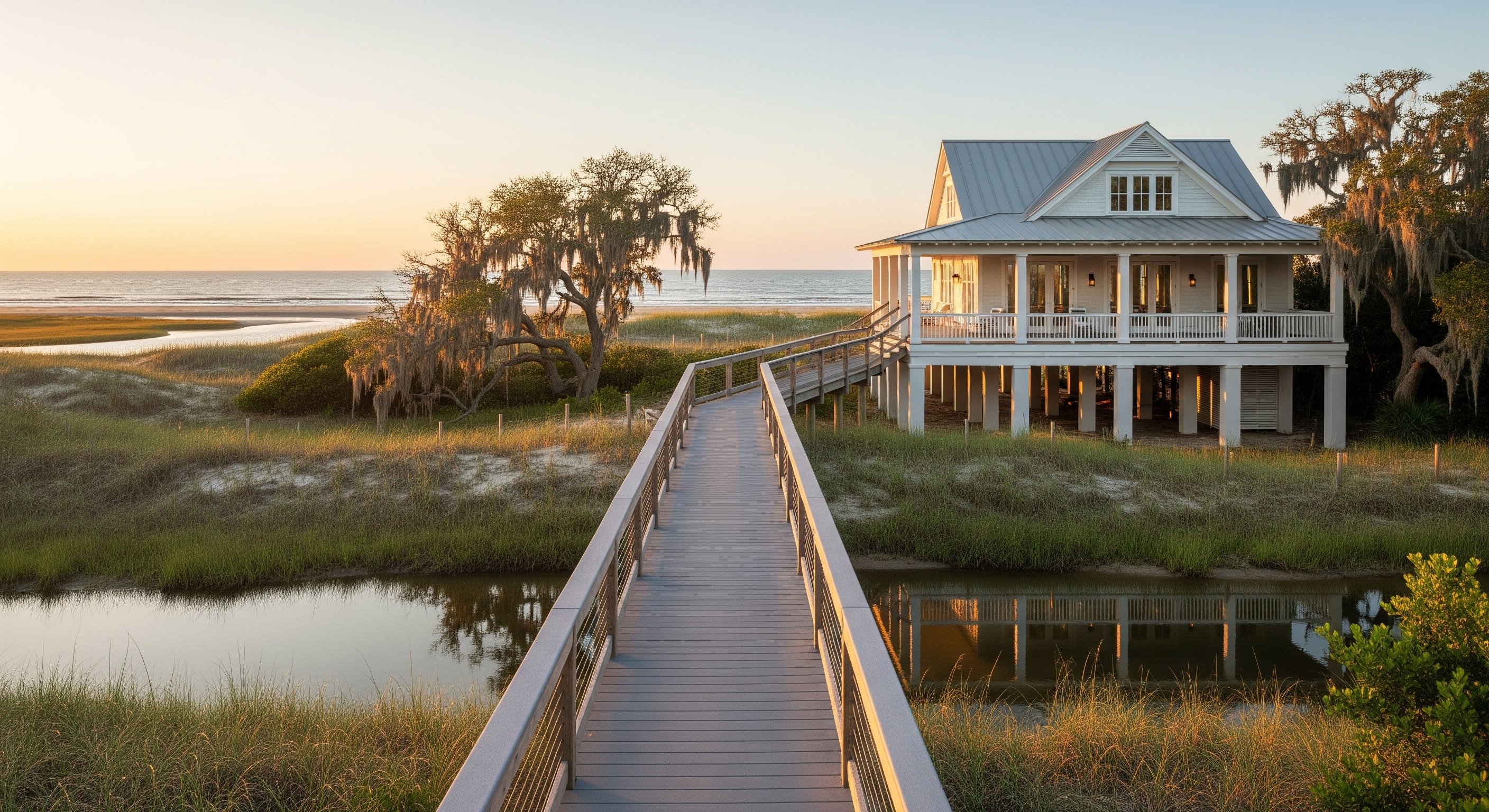
Buying a Seabrook Island home from hundreds of miles away can feel daunting. You want a clear plan, trusted local pros, and zero surprises on closing day. This guide breaks down every step so you can tour, inspect, finance, and close with confidence without getting on a plane. Let’s dive in.
Seabrook basics for remote buyers
Seabrook Island is a gated, planned community with a Property Owners Association (SIPOA) and a private Seabrook Island Club. You should plan to review HOA covenants, architectural review rules, budgets, reserve studies, and recent minutes before committing. Gate access, guest policies, and amenity rights are controlled by community entities, so build time into your timeline for document review and membership or access transfers.
Seabrook is a barrier island, so flood zones, coastal construction standards, and hurricane risk are practical considerations. Confirm flood zone and elevation details and look for elevation certificates on older homes. Use inspectors and insurance brokers who work on coastal homes to understand wind and flood coverage requirements.
Your step-by-step remote timeline
1) Pre-search and prep (0–4 weeks)
Clarify your goals, budget, and financing plan. Engage a local buyer’s agent who regularly supports remote purchases and understands Seabrook rules and gate procedures. Get preapproved with a lender experienced with coastal property so insurance and appraisal needs are factored in early.
- Identify priorities: dock access, proximity to amenities, flood risk tolerance, and rental intent.
- Align on must-haves vs. nice-to-haves to focus your search.
2) Remote showings and selection (1–6 weeks)
Use curated virtual tours, live video walk-throughs, and 3D scans to evaluate homes. Request targeted footage of mechanicals, attic or crawlspace, roof views, dock and pilings, and the street approach. Schedule back-to-back live tours so you can compare options and ask real-time questions.
- Ask for drone footage for roof and lot context.
- Request high-resolution photo sets and neighborhood drive-by video.
3) Offer and contract (1–2 weeks)
Use an e-signature platform accepted by your closing attorney or title company. Include contingencies that give you enough time for specialist inspections and full HOA document review. Keep your financing contingency aligned with your lender’s underwriting timeline.
- Build in review time for HOA covenants, rules, and budgets.
- Confirm acceptable e-sign platforms with your closing team.
4) Due diligence and inspections (7–21 days)
Commission a coastal-experienced home inspection and add specialty inspections as needed. Order termite/WDO, roof and structural checks, and a marine inspection if there is a dock, pier, or bulkhead. If flood risk is a concern, request an elevation certificate and verify survey boundaries.
- Require digital reports with photos, video, and clear summaries.
- Ask the seller for an HOA estoppel letter and past insurance claims history.
5) Negotiation after inspection (3–10 days)
Decide whether you want seller-performed repairs by licensed contractors or a credit at closing. If work will continue after closing, consider an escrow holdback for added protection. Keep all proposals and invoices in writing.
- Use itemized estimates for transparency.
- Prioritize repairs that affect safety, systems, or insurability.
6) Financing, appraisal, insurance (2–6 weeks)
Expect an appraisal and be ready for coastal-specific reporting. Secure homeowners coverage that includes wind/hurricane and separate flood insurance if required. Confirm whether your lender accepts alternative appraisal methods for second homes.
- Get insurance quotes early to avoid delays.
- Share insurance binders with your lender on their timeline.
7) Title, closing, and recording (30–60 days total)
Select a local closing attorney or title company to handle the title search, settlement statements, and funds. For remote signings, options include remote online notarization if accepted, wet-ink signing by mail with a local notary, or a limited power of attorney when allowed by your lender and title team. Plan for wire timing and recording, then coordinate gate access and key transfer.
- Confirm acceptable signing methods and e-recording early.
- Verify wire instructions by phone using a known, trusted number.
8) Post-closing handoff (1–14 days)
Arrange a key exchange, gate credentials, and a first property check with a local concierge or property manager. Transfer utilities, alarm codes, and amenity cards right away. If you plan to rent, confirm any registration steps in advance.
- Schedule a post-closing walkthrough to confirm repairs and readiness.
- Keep a centralized file of codes, manuals, warranties, and contact lists.
Remote buyer checklist
Documents to request
- SIPOA governing documents: covenants, bylaws, ARC/ARB rules, recent minutes, budgets, reserve studies, and fee schedules
- HOA estoppel letter detailing dues, assessments, and transfer procedures
- Seller property disclosures and any prior insurance claims
- Recent survey; elevation certificate if applicable
Inspections to order
- Full home inspection by a coastal-experienced inspector
- Termite/WDO inspection
- Marine/dock inspection for pilings, bulkhead, and dock electrical
- Structural engineer review if issues are noted or for elevated homes
- HVAC and septic/utility checks as needed
- Environmental review for wetlands or dune encroachment
Title and legal checks
- Title search and owner’s title insurance
- Confirm liens, easements, deed restrictions, and any conservation easements
- Verify local acceptance of remote notarization and e-recording
Insurance and financing
- Quotes for homeowners and wind/hurricane coverage; flood insurance if required
- Lender’s appraisal, PMI, and underwriting timelines
- Accepted signing options and any power of attorney requirements
Practical logistics
- Gate access provisioning and timing
- Key handoff or lockbox plan
- Utility transfer steps and any in-person requirements
Local risks and smart mitigations
- Hidden damage from moisture or storms. Commission thorough inspections, request under-house and roof visuals, and use drone or high vantage photos where appropriate.
- Flood history and insurance costs. Obtain flood zone data, elevation details, and insurance quotes before your contingency period ends.
- HOA surprises like special assessments or rental limits. Review the estoppel letter, covenants, minutes, and fee schedules in detail.
- Wire fraud. Confirm wire instructions by phone with your verified title company contact; never rely on emailed changes.
- Closing logistics and mailing delays. Align early with your closing attorney on RON, wet-ink by mail, or limited power of attorney.
- Post-closing access. Prearrange gate credentials and key transfer with the seller, association, and concierge.
Concierge support and vendor team
A concierge approach gives you a single point of coordination so every task is handled on time and documented. Your team should include:
- Local buyer’s agent experienced with Seabrook and remote purchases
- Virtual tour and 3D scan providers; drone videographer
- Coastal home inspector, marine/dock specialist, termite/WDO inspector, and structural engineer
- Licensed contractors who provide written estimates and timelines
- Local title or closing attorney experienced with remote signings and e-recording
- Insurance broker specializing in coastal, wind, and flood coverage
- Property manager or concierge for key exchange, codes, and first walkthrough
Pro tips that streamline remote transactions:
- Ask vendors for annotated photo/video reports within 24–72 hours.
- Require permission for drone or high vantage photos to review roofs and lots.
- If using a limited power of attorney, keep the scope narrow and time-limited.
Sample remote closing: 45-day case
- Days 0–7: Live video tours, shortlist, offer submitted with inspection and HOA document review contingencies.
- Days 8–18: General home, termite, and marine inspections; survey ordered; elevation certificate obtained. Seller provides HOA estoppel letter and meeting minutes.
- Days 19–24: Negotiation results in a credit for dock electrical work and HVAC service prior to closing.
- Days 25–40: Appraisal complete; insurance bound for homeowners and flood as required. Closing attorney finalizes title and settlement statement.
- Days 41–45: Wet-ink mail-away signing with local notary; lender funds; deed recorded; keys and gate credentials transferred to concierge for next-day walkthrough.
Wire fraud safety checklist
- Call your closing attorney using a known number to confirm wire details.
- Expect verification steps and follow them. Do not bypass security procedures.
- Never accept wire instruction changes by email alone.
- Initiate a small test call-back before sending funds.
- Keep your bank’s fraud department contact handy on closing day.
After closing: first 14 days
- Gate and keys. Collect access credentials, change codes, and rekey locks.
- Utilities and services. Transfer power, water, internet, and schedule HVAC service.
- Property check. Have your concierge or manager walk the home, verify repairs, and document condition with photos and video.
- Amenities and memberships. Complete any Club or amenity card transfers.
- Ongoing care. Set up housekeeping, landscaping, and seasonal maintenance to fit coastal conditions.
Ready to plan your Seabrook purchase from afar? Let’s align your priorities, streamline the timeline, and coordinate every vendor so you can close with confidence. Reach out to schedule a planning call with Coastal Luxury Homes Real Estate.
FAQs
Can I complete a Seabrook Island purchase fully remote?
- Often yes. Many closings can be handled with remote notarization or wet-ink mailings through a local closing attorney. Confirm methods with your lender and title team early.
How do I get reliable access and keys after closing?
- Coordinate key handoff and gate credentials with the seller, association, and closing team. A local concierge or property manager can complete the first walkthrough and transfer.
Will my lender accept remote signatures or a power of attorney?
- Policies vary. Some lenders accept remote online notarization or a limited power of attorney; others require in-person signing. Verify requirements before choosing your closing method.
Which inspections matter most on Seabrook Island?
- In addition to a full home inspection, prioritize termite/WDO, roof and under-house structural checks, and a marine/dock inspection. Request an elevation certificate to assess flood risk.
How long does a remote closing usually take?
- Most transactions close in 30–60 days depending on financing, appraisal, and due diligence. Remote signing methods and mailing can shift timelines slightly.
Can I plan for short-term rentals?
- Review SIPOA and Club rules and any local requirements before you buy. Some properties have restrictions or registration steps, so confirm if rental income is part of your plan.