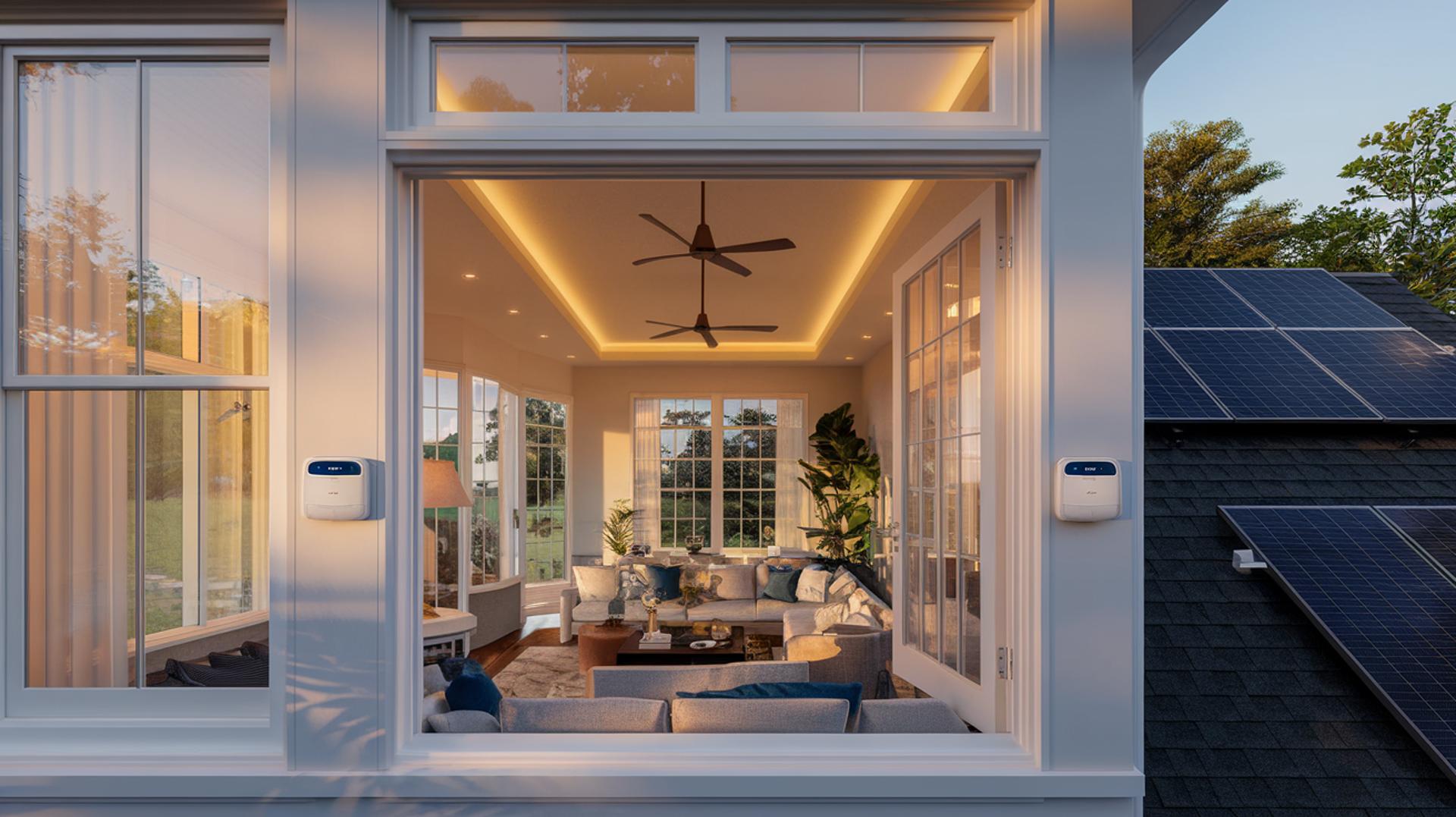
Improving home energy efficiency is a practical way to reduce utility bills and contribute to environmental sustainability. For homeowners looking to make their homes more energy-efficient without breaking the bank, there are numerous affordable upgrades that can have a significant impact. These enhancements not only lower energy consumption but also increase the comfort and value of your home.
Insulation Improvements
One of the most effective ways to enhance energy efficiency is by improving insulation. Proper insulation helps maintain a consistent indoor temperature, reducing the need for excessive heating or cooling. Adding insulation to attics, walls, and floors can prevent heat loss during colder months and keep your home cooler in the summer. Materials like fiberglass, cellulose, and foam board are cost-effective options that provide excellent thermal resistance. Sealing gaps and cracks around windows, doors, and other openings with weatherstripping or caulk also complements insulation efforts.
Energy-Efficient Windows
Upgrading to energy-efficient windows can significantly impact your home's energy consumption. Double or triple-glazed windows with low-emissivity coatings reduce heat transfer, keeping your home warmer in winter and cooler in summer. These windows also minimize drafts and improve overall comfort. While the initial investment may seem substantial, the long-term savings on energy bills and increased property value make it a worthwhile upgrade.
LED Lighting
Switching to LED lighting is a simple yet effective way to reduce energy usage. LED bulbs consume significantly less electricity than traditional incandescent bulbs and have a much longer lifespan. They are available in various color temperatures and styles, making them suitable for any room in your home. Replacing all your light fixtures with LEDs can lead to noticeable savings on your electricity bill over time.
Smart Thermostats
Installing a smart thermostat is an excellent way to optimize your home's heating and cooling systems. These devices learn your schedule and preferences, adjusting the temperature automatically to maximize energy efficiency. Many smart thermostats can be controlled remotely via smartphone apps, allowing you to make adjustments even when you're not at home. This ensures that your HVAC system operates only when necessary, reducing energy waste and lowering utility costs.
Energy-Efficient Appliances
Replacing old appliances with energy-efficient models can lead to substantial energy savings. Look for appliances with the ENERGY STAR label, which indicates they meet strict energy efficiency guidelines. Upgrading appliances such as refrigerators, washing machines, and dishwashers can reduce electricity and water consumption. While the upfront cost may be higher, the reduction in utility bills and potential rebates or incentives can offset the initial expense.
Solar Panels
For homeowners looking to make a more significant investment in energy efficiency, solar panels offer a renewable energy solution. Installing solar panels can drastically reduce or even eliminate electricity bills, depending on the system's size and your home's energy needs. Many states offer tax credits, rebates, or incentives to help offset the installation costs. Over time, solar panels can provide a substantial return on investment while reducing your carbon footprint.
Water-Saving Fixtures
Reducing water consumption is another aspect of improving home energy efficiency. Installing water-saving fixtures such as low-flow showerheads, faucets, and toilets can significantly decrease water usage. These fixtures maintain performance while using less water, leading to lower water and energy bills. Additionally, fixing leaks promptly can prevent water waste and further reduce utility costs.
Programmable Power Strips
Many electronic devices consume power even when turned off, a phenomenon known as "phantom load." Using programmable power strips can help eliminate this energy waste. These power strips automatically cut off power to devices when they're not in use, ensuring that electricity is only consumed when necessary. This simple upgrade can lead to noticeable savings on your electricity bill.
Ceiling Fans
Installing ceiling fans is an affordable way to improve air circulation and reduce reliance on heating and cooling systems. Ceiling fans create a wind-chill effect, making rooms feel cooler in the summer. In the winter, reversing the fan's direction can help distribute warm air more evenly. Using ceiling fans in conjunction with your HVAC system can reduce energy consumption and enhance comfort.
Energy Audits
Conducting an energy audit is a valuable step in identifying areas where your home can improve its energy efficiency. Professional energy auditors use specialized tools to assess your home's energy performance and recommend specific upgrades. Many utility companies offer free or discounted energy audits to their customers. The insights gained from an audit can guide your efforts in making targeted, cost-effective improvements that yield significant energy savings.
Take the Next Step Towards Energy Efficiency
Making affordable upgrades to your home can significantly boost its energy efficiency, saving you money and helping the environment. Simple changes can make a big difference in your comfort and utility bills. If you're ready to explore these options and enhance your home's value, reach out to the experts. Contact Coastal Luxury Homes Real Estate today to get started on your journey to a more energy-efficient home.